The Best Event Footage Usually Isn’t on the Run of Show.
Production
September 22, 2026
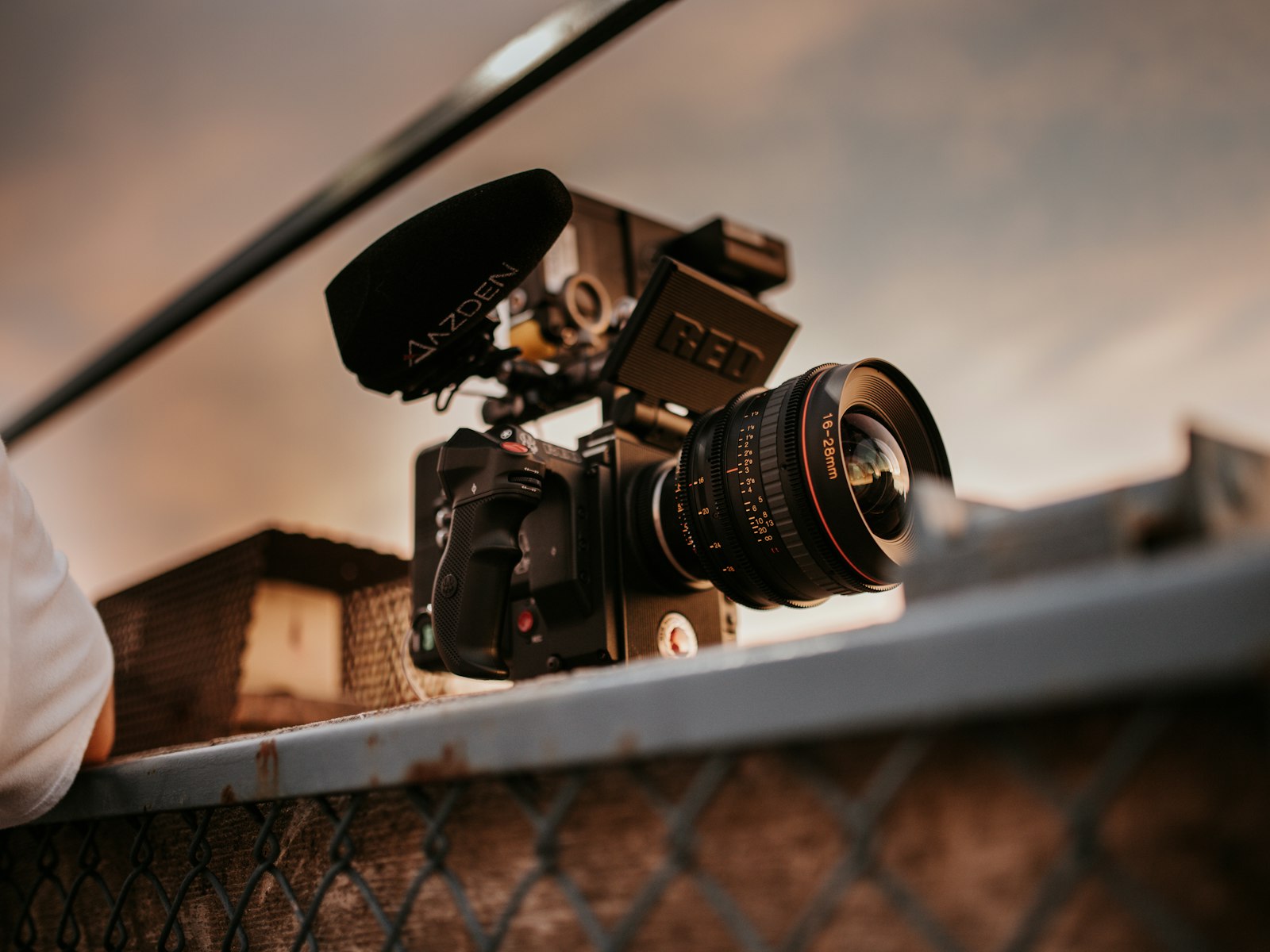
The run of show matters because I absolutely need to know when the keynote starts, when the important announcement is happening, who is walking onto the stage and what moments cannot be missed, but I have also learned that some of the footage that ends up making an event film actually feel like something usually happens somewhere outside of that schedule.
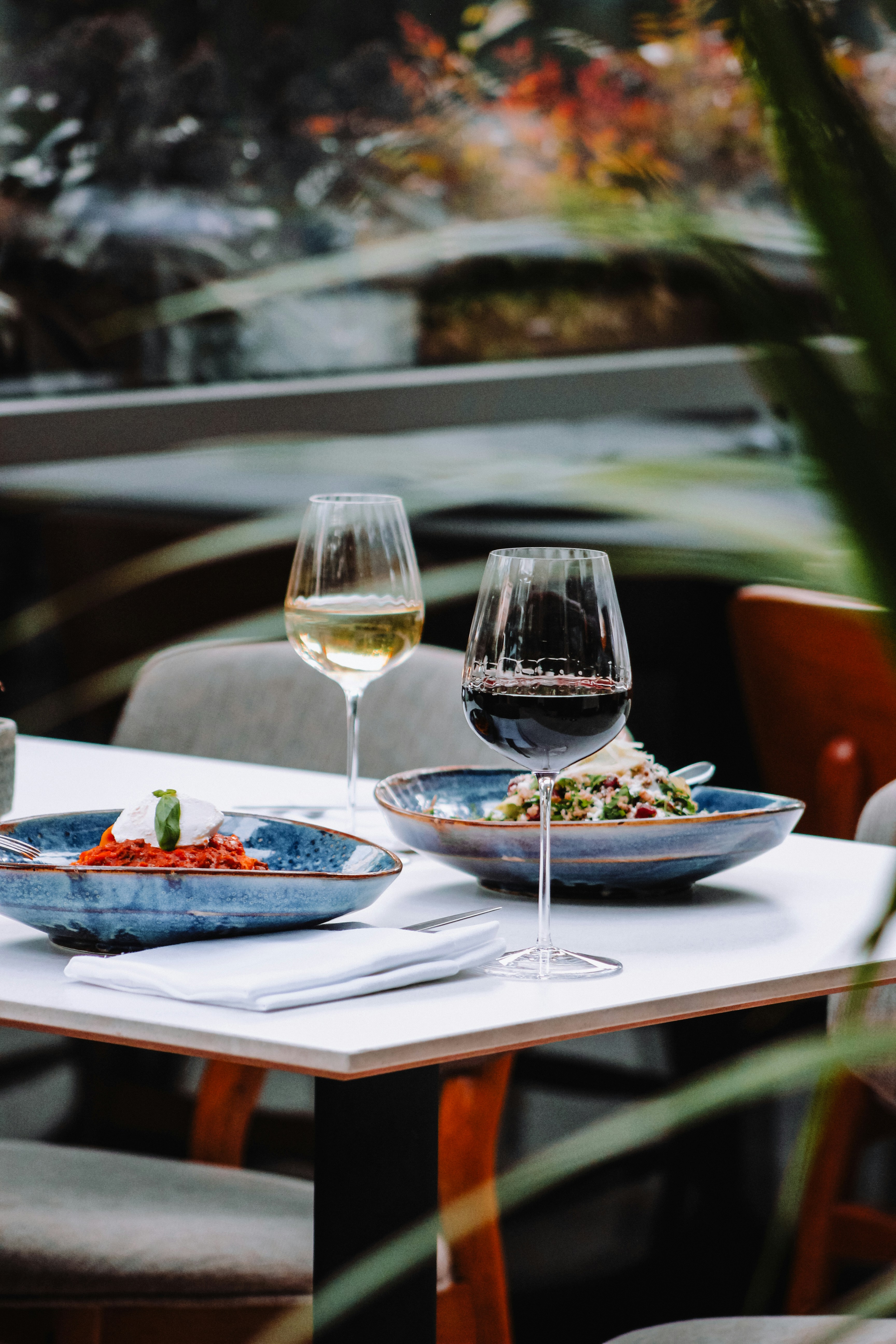
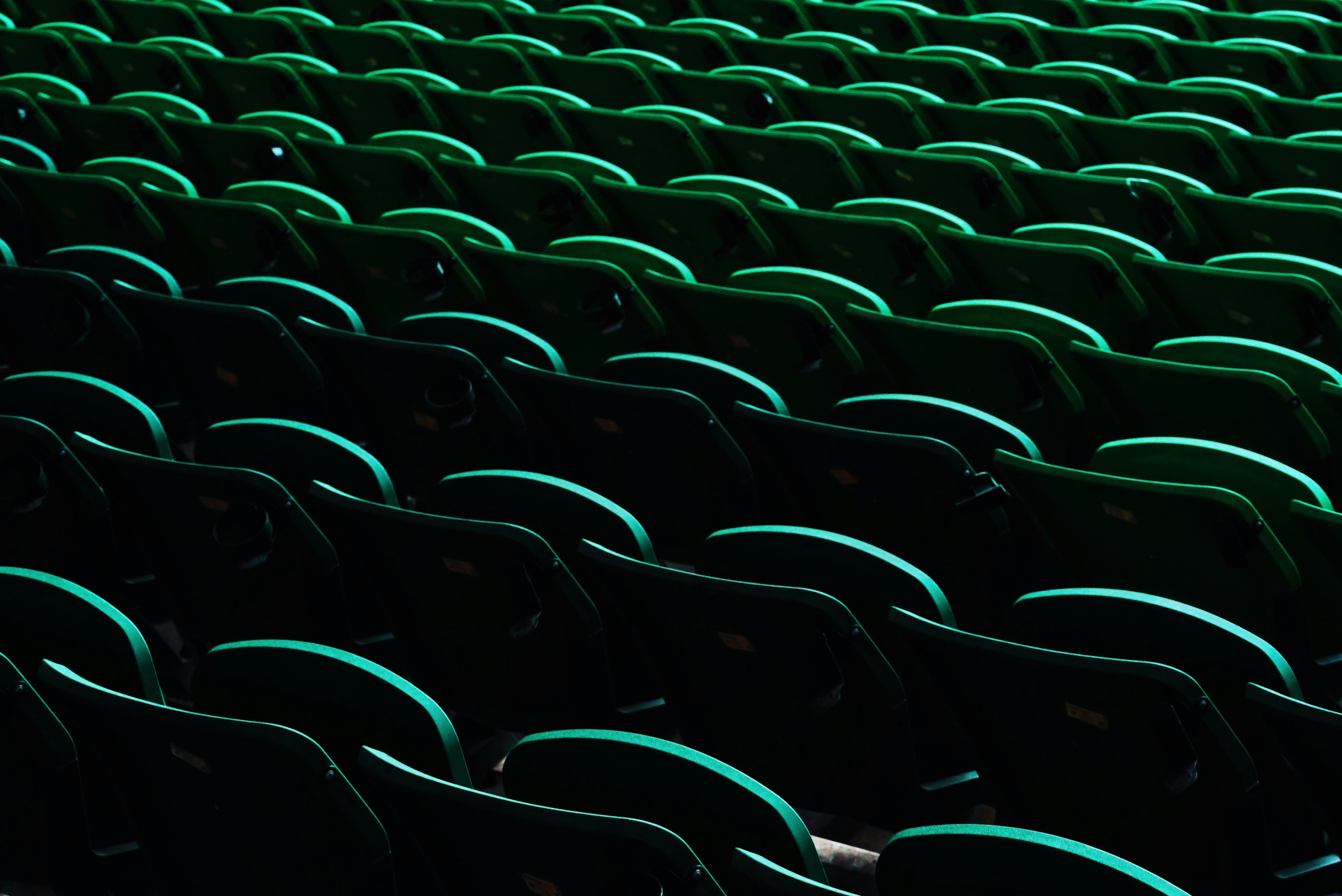
It might be the room before anybody arrives, someone fixing one last detail because apparently a centerpiece can sense fear, a speaker waiting backstage, two people recognizing each other from across the room or somebody laughing during a conversation we cannot even hear.
Those moments are what make the event feel alive.
If all I capture is what happened onstage, then yes, technically we have proof that the event happened, which is wonderful if we ever end up in court, but that is very different from making someone who was not there understand what the room felt like.
So I plan for the things that absolutely need to be covered and then I keep looking around, because events are full of little moments that nobody thought to write into the schedule and those are often the things that make the final piece feel human.
The schedule tells me when the panel starts.
It has no idea when the best shot is going to happen.
Creative production for brands in PA, NJ and NY.
Privacy Policy© 2026 Muse Works Studio LLC. All rights reserved.