
Your Testimonial Shouldn't Sound Like an Ad.
Interviews
September 26, 2026
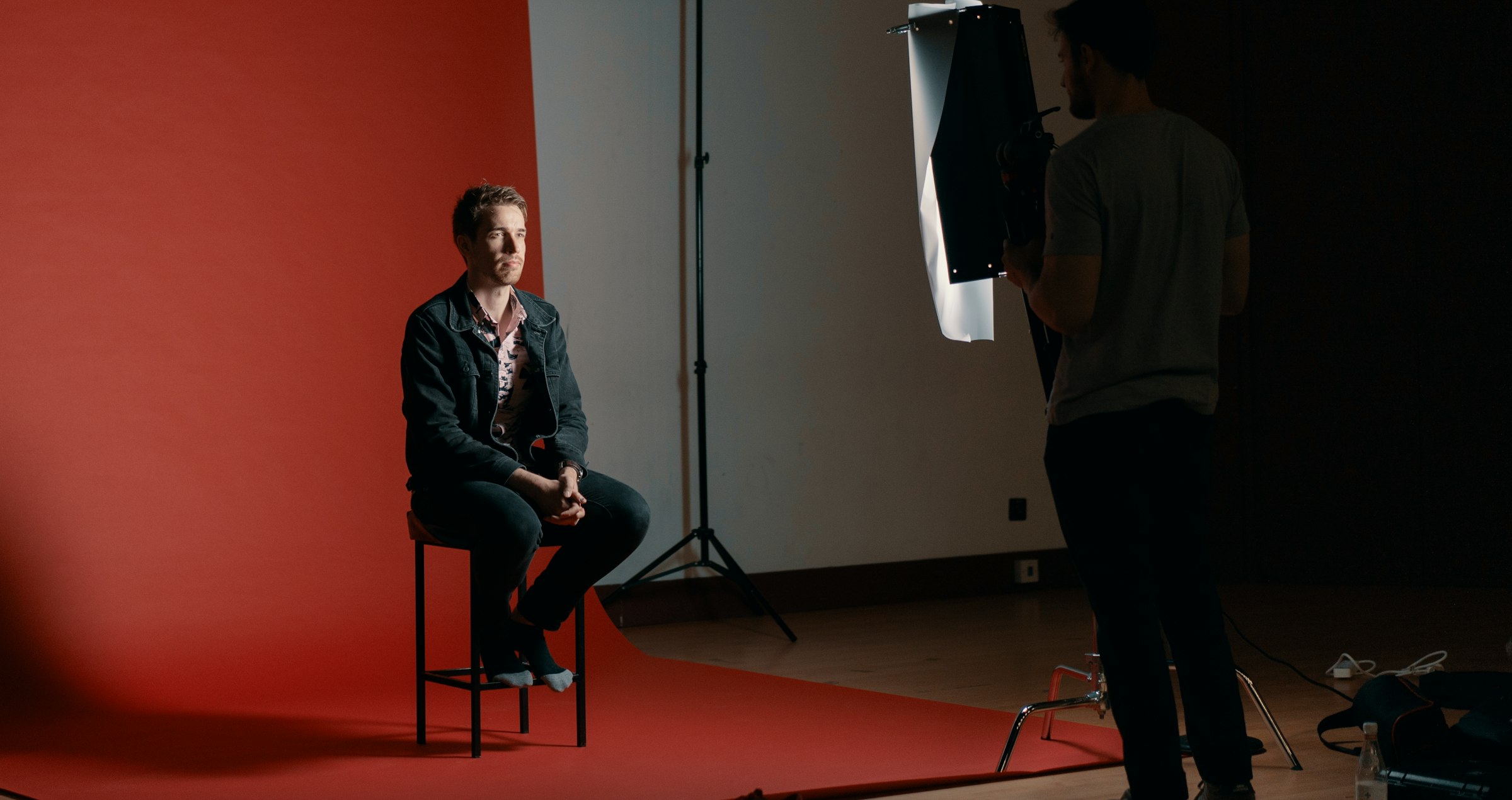
We have all seen that testimonial where someone sits down, looks slightly terrified and says some version of, “The team was amazing, the service was incredible and I would highly recommend them,” which is technically positive but also tells us almost nothing.
The problem with most testimonials is that businesses ask customers to explain how great the company is when the much more interesting story is usually what happened to that person before, during and after working with them.
If I am interviewing a customer, I do not want to begin with, “So, why do you love this company?”
Besides sounding mildly threatening, it skips the part that gives the testimonial context.
I want to know what was happening before they hired you. What were they trying to solve? What was frustrating them? What had they already tried? Was there something they were nervous about before moving forward?
Now we understand the problem through the customer’s eyes instead of hearing the company explain its own value for the hundredth time.
Once we understand the problem, the rest of the story actually means something.
“The service was amazing” is nice.
“The team answered my call at 7 PM the night before our launch because something went wrong” tells me something.
“We loved working with them” is nice.
“I thought this process was going to take three months and we were done in three weeks” tells me something.
Specific details feel believable because they sound like memories instead of marketing language, and interestingly enough, those details usually sell the company much better than asking the customer to sell the company.
You do not need your testimonial subject to sound impressive. You need them to remember what happened.
The strongest question is usually some version of what is different now?
That could mean more sales or measurable growth, but it does not always need to be some enormous statistic worthy of a case study. Maybe the process became easier, the customer finally understood something, they stopped worrying about a problem that had been eating their time or they finally felt confident enough to move forward.
Results can be practical or emotional. They just need to be real.
And please do not hand them a script.
If somebody is telling us about their actual experience and we hand them a paragraph explaining what they should say about their actual experience, we have managed to make something genuine feel fake, which is an impressive accomplishment but probably not the goal.
Give them the themes if you need to, prepare them for what the interview will be about, then ask good questions and let them answer like themselves.
We can organize the story afterward.
That is what editing is for.
Creative production for brands in PA, NJ and NY.
Privacy Policy© 2026 Muse Works Studio LLC. All rights reserved.